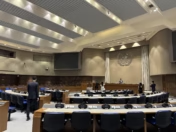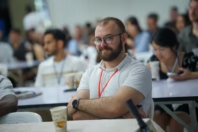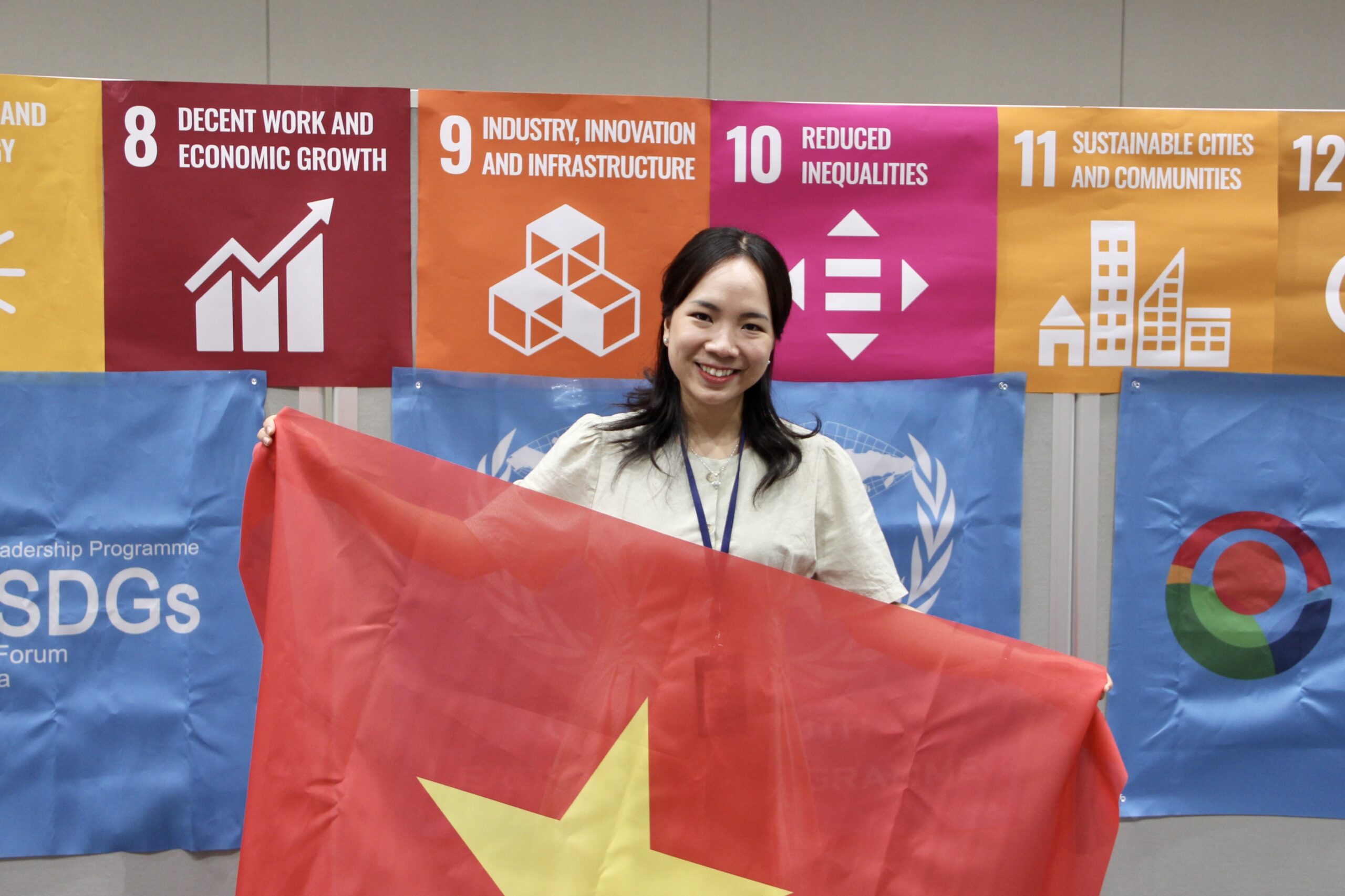

Participants came from around thirty countries. We were assigned to represent different sectors such as NGOs, renewable energy, manufacturing, technology and asked to negotiate policies that could keep global warming below 1.5–2°C using the En-ROADS Climate Solutions Simulator. It was practical, fast, and surprisingly technical. Every decision we made on carbon pricing or deforestation limits produced instant results on screen. The process made climate goals feel measurable rather than idealistic. Our team discussions were direct, and it was refreshing to see people with different backgrounds find workable compromises under pressure.
By the end, we drafted a joint statement called the Okinawa Declaration, summarizing ideas from sixteen working groups across all SDG goals. I worked on SDG 13 – Climate Action, focusing on data transparency and international coordination. The exercise taught me how policy language, data interpretation, and negotiation actually intersect in global frameworks. Outside of sessions, I connected with other participants from Southeast Asia, Europe, and Africa. We compared projects, exchanged contacts, and shared how sustainability looked different in each region. Those networks later became useful references for future collaboration.
In mid-2025, I traveled to Nairobi, Kenya, to present my master’s research on the Taiwan–Kenya Digital Study-Buddy Program at the UN-SDGs Forum 2025. The Nairobi forum had a different focus. It combined academic presentations with on-site environmental case analyses. My group studied water pollution in the Garissa and Tana Rivers, looking at how turbidity, sedimentation, and seasonal floods affected daily life. Local participants explained how droughts and floods influence education access, food production, and migration.
Compared to Okinawa’s simulations, Nairobi placed SDGs in a real social context. Listening to people describe how weather patterns altered their work routines made the climate data much easier to understand. It also clarified how sustainability cannot be separated from economic and cultural structures. One Kenyan participant said, “You can’t solve one problem without solving many others such as climate, gender, education, all are connected.” That line stayed with me. It reflected exactly what I had learned in Okinawa: that SDG work demands systems thinking and empathy.

Since returning home, SDGs are no longer abstract goals on a UN chart. They are habits and perspectives that shape my everyday decisions. I now consciously practice SDG 13 (Climate Action) by reducing my carbon footprint and integrating environmental awareness into my teaching materials. SDG 4 (Quality Education) guides how I design lessons that foster empathy and global citizenship among students. And SDG 17 (Partnerships for the Goals) inspires me to maintain collaborations across borders.
The forums in Okinawa and Nairobi taught me that leadership is not about having all the answers, but about building communities that keep asking better questions. What began as an academic interest in intercultural learning has evolved into a lifelong commitment to meaningful, sustainable change.